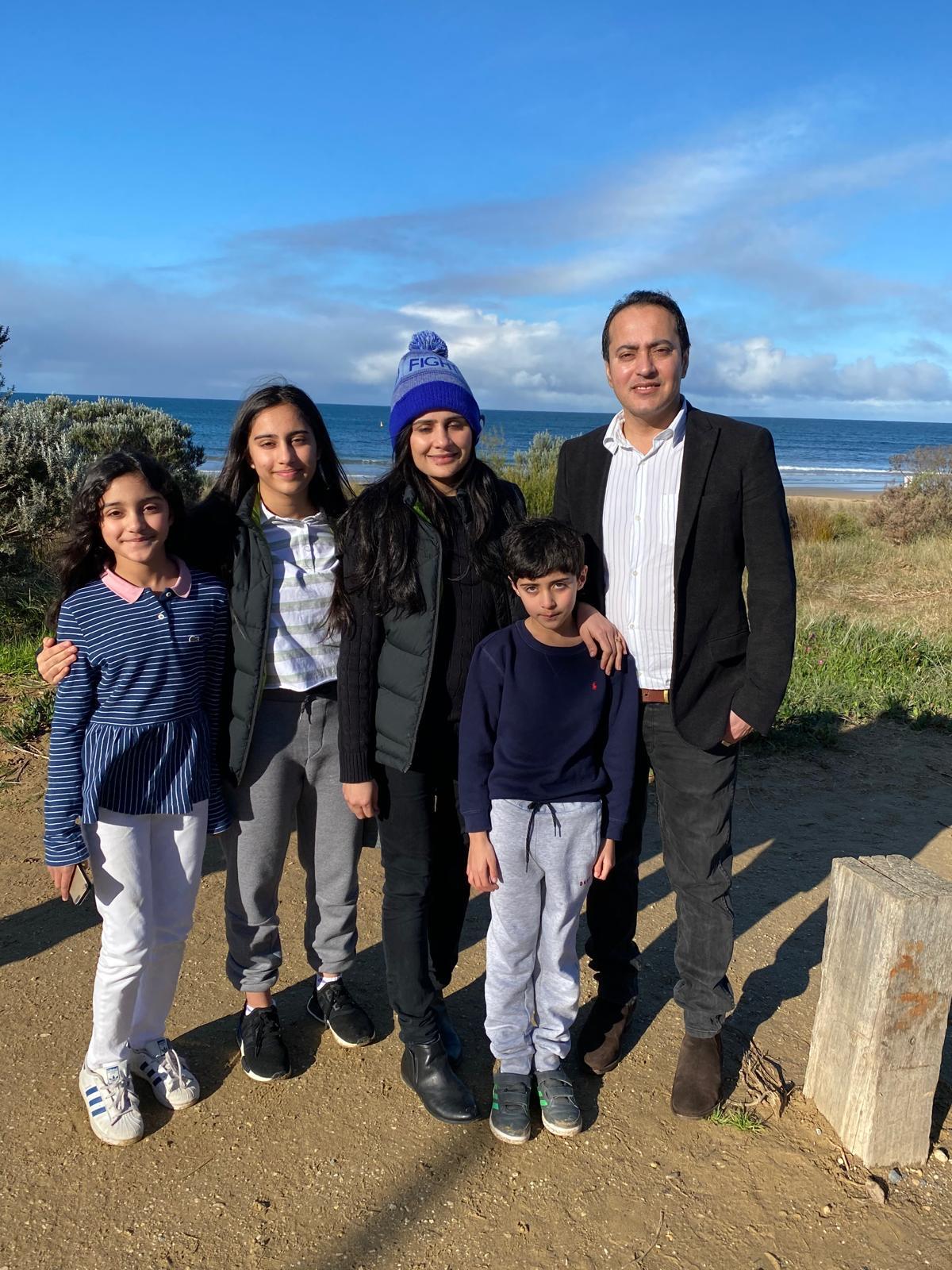
Dr Moti Ram – A Doctor by Profession, a Community Leader by Passion,
and a Servant at Heart.
Dr Moti Ram is a medical professional who believes that the true measure of success lies not only in what we achieve for ourselves, but in the difference, we make in the lives of others.
Through his medical profession, he has developed a deep understanding of people’s challenges, the importance of compassion and the value of listening without judgement. His commitment to helping others extends beyond the consulting room, driven by a genuine desire to contribute to stronger, healthier and more inclusive communities.
Guided by the values of honesty, integrity, equality, respect and hard work, Dr Ram believes that leadership is about service, not status; responsibility, not power; and bringing people together rather than creating divisions.
He believes every individual deserves a voice, every community deserves to be heard, and everyone should have the opportunity to live with dignity and fulfil their potential.
As a Labor candidate for Victoria’s Legislative Council, Dr Ram seeks to bring his professional experience, community understanding and people-first approach to public life. His priorities include listening to community concerns, strengthening healthcare, encouraging multicultural representation and working collaboratively towards practical solutions.
His leadership philosophy is simple:
Listen with empathy. Lead with integrity. Stand up for equality. Serve with purpose.
For Dr Moti Ram, leadership is not about being in the spotlight; it is about standing alongside people, understanding their struggles and working tirelessly towards a better future for the community.
We recently got the chance to interview Dr Moti Ram with some straight forward questions about himself and his passion to become a community leader. Here’s snapshot of his detailed interview for understanding him well:
H2O: Please give us a brief introduction about yourself?
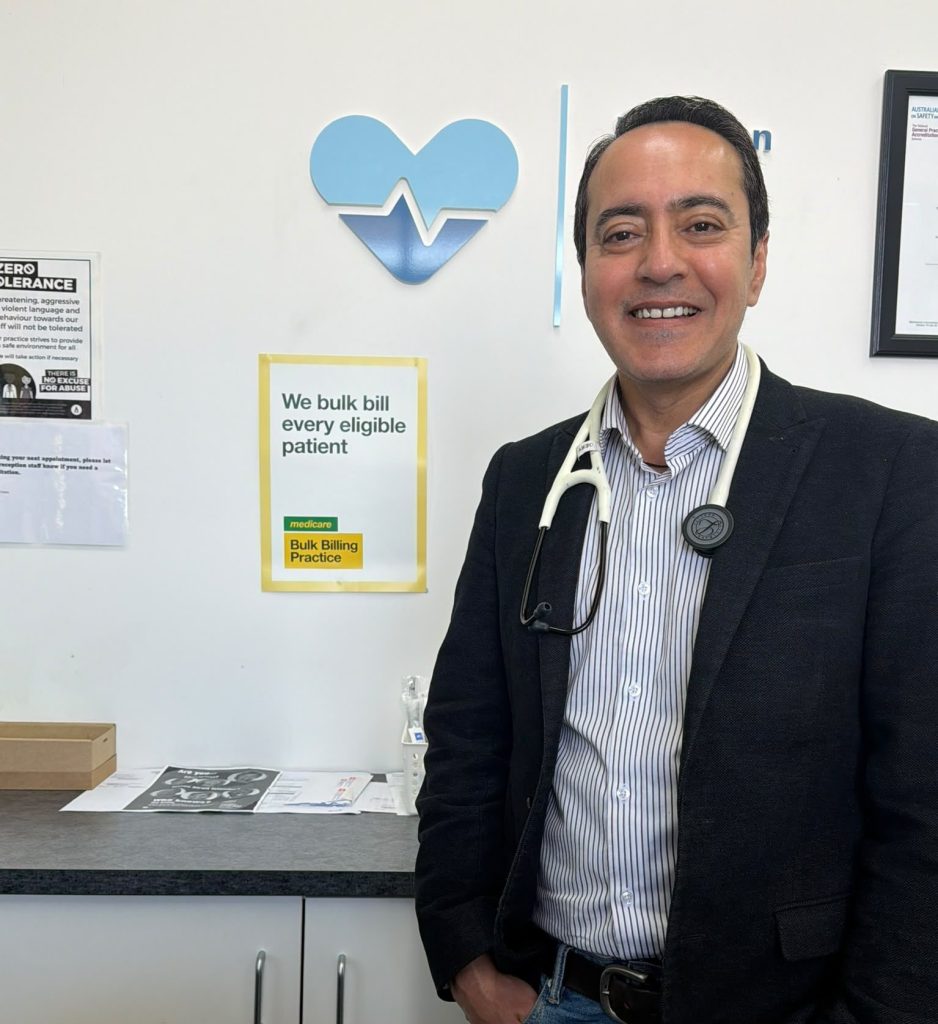
My name is Dr Moti Ram, a General Practitioner and Director of Kingston Plaza Medical Centre in Victoria. I hold MBBS, DCH and FRACGP qualifications and have built my professional career in Australia over the past 18 years. I am passionate about healthcare, business, mentoring and community development.
H2O: What are your core strengths and values?
My core strengths include effective communication, resilience, empathy and strong leadership skills. I value honesty, respect, hard work and equality, and I believe in treating everyone with kindness, fairness and dignity. I strive to lead by example, build positive relationships and create an environment where everyone feels valued and respected.
H2O: What makes you different from others?
My combination of medical experience, business knowledge and community involvement gives me a practical understanding of people’s challenges. I believe in listening, connecting with people and finding solutions rather than just talking about problems.
H2O: Where do you get your inspiration from?
My family, patients and overall community around inspire me. I am particularly motivated by people who overcome challenges and create opportunities for others. I also love community development where I can help others with whatever capacity I can.
H2O: How many hours a day do you work on average?
I generally work around 10–12 hours a day. Along with seeing patients, I manage my medical centre, support my team and try to participate in community activities where I can make some difference.
H2O: Can you describe your typical day as a doctor?
My day involves consulting patients, managing health conditions, preventive healthcare and supporting medical students and junior doctors. I also manage the operations of my medical centre and work with my team to improve patient care.
H2O: How has being a doctor affected your family life?
Being a doctor involves long hours and significant responsibilities, which can sometimes affect family time. My wife and children have always been supportive, and I believe maintaining a balance between work and family is very important.
H2O: What motivates you and brought you into politics?
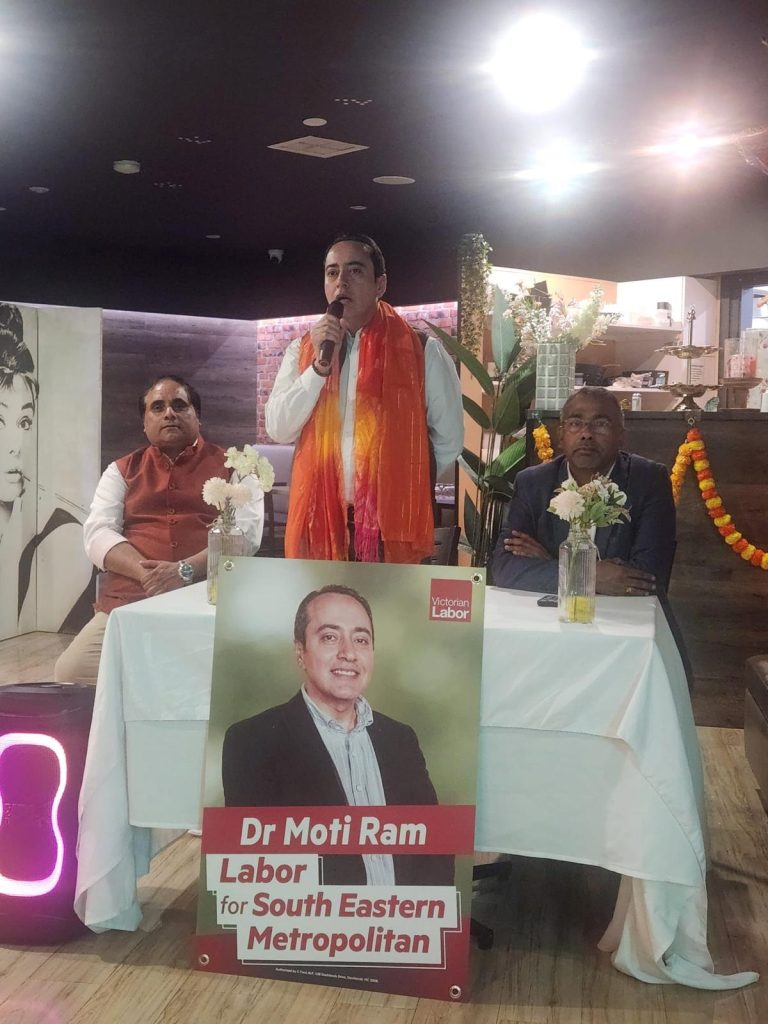
As a GP, I see firsthand how healthcare costs, housing, education and living expenses affect families. I wanted to contribute beyond medicine and help improve people’s lives through public service. This motivated me to become a Labor candidate for the South-Eastern Metropolitan Region.
H2O: How do you generate new ideas, and what changes would you like to see if elected?
I generate ideas by listening to people and understanding their everyday challenges. I would like to focus on accessible healthcare, cost-of-living relief, affordable housing, small business support, education and better opportunities for multicultural communities.
H2O: What is your greatest fear, and how do you manage fear?
My greatest fear is failing the people who place their trust in me, particularly when they are relying on me for guidance, support and positive change. As a community leader, I understand that my decisions and actions can have a meaningful impact on people’s lives, and I take that responsibility very seriously.
I manage fear by facing challenges with courage, staying grounded in my values and focusing on solutions rather than obstacles. I believe fear should never prevent us from doing what is right. Instead, it should motivate us to prepare better, listen more carefully, learn from our experiences and make thoughtful decisions.
For me, true leadership is not about being fearless; it is about having the courage to move forward despite uncertainty, standing up for others and remaining committed to making a positive difference in the community.
H2O: What are your ideals or role models?
My ideals are rooted in compassion, integrity, service and equality. As a doctor, I have always believed that leadership is about putting people first, listening without prejudice and treating every individual with dignity and respect.
My greatest role models are those who lead with humility, courage and honesty; people who stand up for what is right, empower others and dedicate their lives to serving the community rather than seeking personal recognition.
My profession has taught me that every person deserves to be heard, every life has value and access to opportunities should never depend on someone’s background or circumstances. I want to bring these same principles into public leadership.
I believe a true leader should be approachable, accountable, inclusive and willing to make difficult decisions for the greater good. My ambition is not simply to hold a position, but to use that responsibility to give people a stronger voice, build trust, create opportunities and bring meaningful, lasting change to the community.
My guiding philosophy is simple: lead with compassion, act with integrity and serve with purpose.
H2O: How do you market yourself, and which tactics have been most successful?
I believe in building trust and genuine relationships. Word of mouth, personal connections, community participation and social media have been valuable ways to communicate and connect with people.
H2O: What kind of culture exists in politics, and how do you feel about it?
I believe that political culture is a mixture of public service, leadership, collaboration and, at times, competition, power struggles and differences of opinion. While politics can provide an important platform to create positive change, it can also be challenging when personal interests, political divisions or party loyalties take precedence over the needs of the community.
As someone coming from the medical profession, I believe in putting people first, listening to different perspectives and treating everyone with fairness and respect. I value healthy debate, transparency, accountability and the ability to work collaboratively, even with people whose views differ from my own.
I feel that politics should be about service rather than status, solutions rather than arguments, and community needs rather than personal agendas. I would like to contribute to a culture where people can disagree respectfully, work together constructively and remain focused on the common good.
I believe we need more empathy, integrity, inclusiveness and genuine community engagement in political leadership. Ultimately, I want to remain true to my values, led by example and never lose sight of the people I am there to serve.
H2O:What advice would you give to college graduates who want to become community leaders?
My advice to college graduates who aspire to become community leaders is to start by developing a genuine passion for serving people. Leadership is not about holding a title or having authority; it is about taking responsibility, making a difference and earning the trust of others.
Be willing to listen, learn and understand the challenges faced by people from different backgrounds. Stay humble, remain curious and never stop educating yourself. Build your communication skills, develop resilience, embrace diversity and have the courage to stand up for what is right, even when it is not easy.
Do not wait for an opportunity or a leadership position to make a difference. Start within your own community, volunteer, support those who need a voice and turn your ideas into meaningful action. You will learn that some of the most valuable leadership lessons come from real-life experiences and connecting with people.
Most importantly, never compromise your integrity for popularity, power or personal gain. Be honest, accountable, compassionate and consistent in your actions.
My message to young graduates is this: Don’t aspire to become important; aspire to make a difference. Lead with your heart, serve with humility and have the courage to create the change you wish to see in your community.
Q15. If you could start your career again, what would you do differently?
If I could start my career again, I would make the same commitment to serving people, but I would probably step outside my comfort zone earlier and explore opportunities to contribute to the wider community beyond my professional responsibilities.
As a doctor, my career has taught me the importance of compassion, resilience, teamwork, listening and making decisions that can positively impact people’s lives. However, I would have liked to become more involved in community leadership, advocacy and public service at an earlier stage.
I would also invest more time in building networks, learning from diverse perspectives and mentoring young people. I have come to understand that professional success is important, but the opportunity to influence positive change, empower others and strengthen communities is equally meaningful.
I don’t look at my past experiences with regret because every challenge, achievement and lesson has shaped the person I am today. If anything, I would remind my younger self to be courageous, take opportunities when they arise and never underestimate the difference one person can make.
My biggest lesson is that a career is not just about what you achieve for yourself, but about the positive difference you make in the lives of others.
H2O: What are the top three skills needed to become a successful entrepreneur or leader?
I believe the three most important skills needed to become a successful entrepreneur or leader are:
- Effective communication and emotional intelligence
A successful leader must be able to communicate clearly, listen actively and understand different perspectives. Empathy helps build trust, develop strong relationships and bring people together towards a common goal.
- Resilience and adaptability
Leadership and entrepreneurship come with challenges, uncertainty and setbacks. The ability to remain positive, learn from failures, adapt to changing circumstances and keep moving forward is essential. Resilience gives a leader the courage to turn challenges into opportunities.
- Vision and decision-making
A good leader needs a clear vision, the ability to recognise opportunities and the confidence to make informed decisions. It is equally important to take responsibility for those decisions, inspire others and turn ideas into meaningful action.
My overall philosophy: Skills can be learned and developed, but successful leadership must be grounded in integrity, humility, accountability and a genuine commitment to serving others. A true leader does not simply create success for themselves; they create opportunities for others to succeed as well.
H2O: What entrepreneurial tricks help you stay focused and productive?
I prioritise important tasks, plan my day, delegate responsibilities and trust my team. I also make time for family and personal wellbeing. My philosophy is simple: stay organised, remain consistent and keep learning.
Thank You very much Dr Moti Ram for giving us time to share your thoughts and aspirations. Good Luck for upcoming elections.